



Where to Buy High Quality Asian Art: A Collector's Guide
Where to Buy High Quality Asian Art: A Collector's Guide
Table of Contents
Finding authentic Asian art requires navigating a fragmented market of mass-produced decor, galleries with questionable provenance, and legitimate dealers. At HD Asian Art, we understand the challenge: serious collectors need assurance that their investment is genuine, well-preserved, and sourced ethically. This guide shows you how to navigate this landscape, from specialized galleries to online marketplaces, and what separates museum-quality work from decorative replicas.
Where to Buy High Quality Asian Art: Top Retail Options
The most reliable sources for authentic Asian art fall into three categories: specialized galleries, museum institutions, and direct artist connections.
Specialized Asian Art Galleries and Dealers
Reputable galleries remain the gold standard for serious collectors. These dealers invest in authentication, documentation, and relationships with artists or estate sources, typically carrying curated collections focused on specific regions, periods, or mediums.
When evaluating a gallery, look for written provenance documentation, clear explanations of the artist's background and creation period, and exhibition history. Galleries that hedge on these details or offer vague origins are red flags. The best dealers maintain relationships with museums and auction houses, demonstrating credibility built over years. Original paintings command premium prices, while limited-edition giclee prints offer accessibility without sacrificing quality. Many galleries offer custom framing and archival preservation services essential for long-term investment protection.
Museum Shops and Cultural Institutions
Museum gift shops offer curatorial oversight. Museums vet suppliers rigorously, and pieces sold through museum channels carry implicit endorsement of authenticity.
Major art museums like the Metropolitan Museum of Art, the Art Institute of Chicago, and the Smithsonian operate online shops featuring reproductions, limited-edition prints, and occasionally original works. These pieces often include educational materials about cultural context and artistic significance. Prices tend to be higher, reflecting institutional overhead and reputation, but this premium translates to better documentation, archival-quality materials, and assurance that proceeds support conservation efforts.
Direct Artist and Artisan Sources
Contemporary Asian artists increasingly sell directly through websites, social media, and artist collectives, eliminating middlemen and ensuring 100% authenticity.
Research the artist's background, exhibition history, and critical reception. Do they have work in museum collections? Have they been featured in reputable publications? Legitimate contemporary artists maintain professional websites, provide artist statements, and discuss their techniques in detail. Direct purchase offers customization opportunities, with many artisans accepting commissions for custom pieces.
Best Online Marketplaces for Asian Art
E-commerce has democratized access to Asian art, but also introduced risk. Online platforms range from highly curated marketplaces to open vendor systems with minimal quality control.
E-commerce Platforms with Curated Collections
Platforms that employ curatorial standards and vet sellers offer better protection than open marketplaces. Fine art platforms like Artsy, Saatchi Art, and Invaluable verify seller credentials, maintain return policies, and provide buyer protection. Etsy and eBay also host legitimate sellers, but quality varies dramatically. Look for sellers with extensive positive feedback mentioning authenticity, condition, and accurate descriptions. Regional online galleries specializing in Southeast Asian art, Japanese prints, or Chinese calligraphy often provide better expertise than generalist platforms.
What to Verify Before Purchasing Online
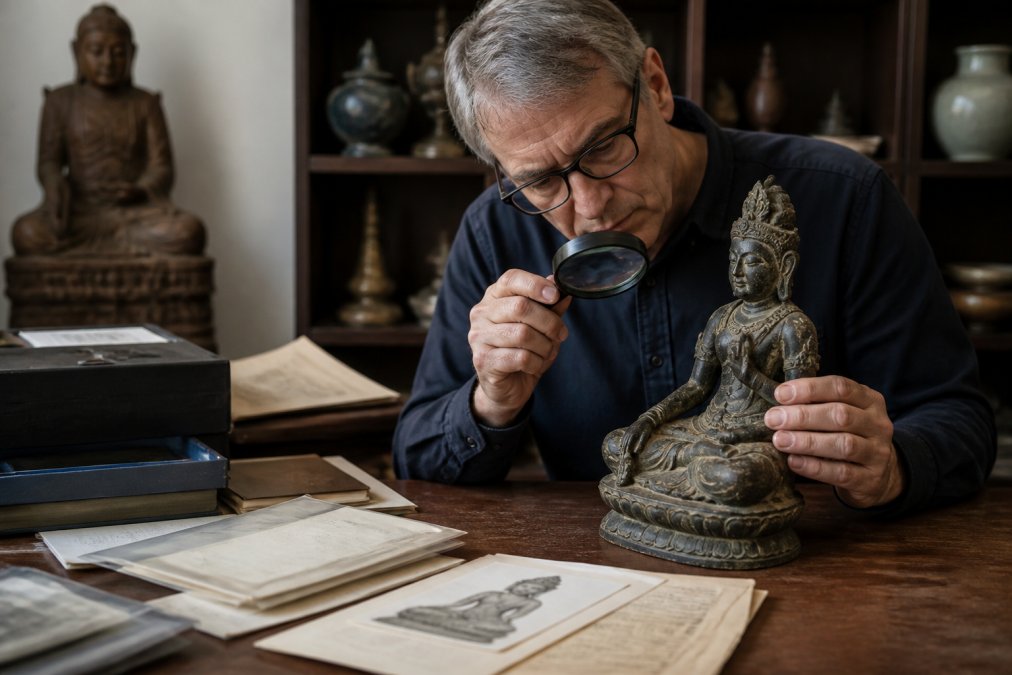
Examine high-resolution images from multiple angles, looking for condition issues: cracks, foxing, water damage, or fading. Ask sellers for additional photos if listings lack clear detail. Legitimate sellers welcome image requests.
Confirm item specifications explicitly. Is it an original painting, hand-signed limited edition, or mass-produced giclee print? Vague descriptions suggest the seller doesn't understand what they're selling. Verify the seller's return policy for damaged or misrepresented items. Reputable retailers offer 30-day returns for art purchases.
Request documentation of provenance if the piece is positioned as antique or vintage. Even a simple artist statement or certificate of authenticity strengthens your confidence. The American Alliance of Museums provides guidelines on acceptable provenance documentation.
How to Verify Asian Art Authenticity and Provenance
Authentication separates serious collectors from casual buyers and protects your investment.
Documentation and Certificates of Authenticity
Legitimate pieces come with documentation. Contemporary works include signed certificates of authenticity from the artist or publisher. Limited-edition prints should specify the edition number (e.g., "5/50") and include the artist's signature or stamp. Original paintings should include artist information: name, creation period, materials, and dimensions. Antique pieces require extensive provenance documenting ownership history through auction catalogs, museum records, or written statements from previous owners.
For Japanese woodblock prints, authentication requires understanding printing technique, paper type, and seal marks. Original ukiyo-e prints display specific characteristics: hand-applied pigments, visible woodblock grain patterns, and signatures unique to individual carvers and publishers. Modern reproductions lack these markers. The Metropolitan Museum of Art's Japanese Prints collection guide provides detailed identification information.
Red Flags and Common Authentication Mistakes
Suspiciously low prices are the most obvious red flag. Original paintings rarely sell for less than gallery retail price. If you find a piece priced 50% below market rate, the seller is either liquidating inventory or the piece is misrepresented.
Generic descriptions lacking specificity suggest the seller doesn't understand the work. Phrases like "beautiful Asian art" without naming the artist, period, or cultural tradition indicate surface-level knowledge. Poor condition presented as "vintage charm" is another common tactic. Sellers who resist providing additional documentation or images are hiding something. Legitimate dealers welcome scrutiny.
Collecting Japanese Ukiyo-e Prints and Traditional Works
Japanese woodblock prints represent one of the most accessible entry points into serious Asian art collecting.
Understanding Woodblock Print Quality and Editions
Ukiyo-e prints come in several quality tiers. First editions, printed directly from original woodblocks during the artist's lifetime or shortly after, command the highest prices and rarest availability. Later impressions show progressive wear as woodblock lines soften, pigments appear less vibrant, and fine details blur.
Modern reproductions use different printing technologies entirely. Lithography, offset printing, and digital reproduction can produce visually stunning results, but lack hand-applied pigment and woodblock characteristics of originals. Limited-edition modern prints by contemporary artists offer a middle ground, authentic artistic creations, hand-signed and numbered by the artist, but created using contemporary materials and techniques.
Paper quality distinguishes authentic prints from reproductions. Original ukiyo-e used washi, traditional Japanese paper made from plant fibers, which develops specific patina over time. Modern reproductions often use Western paper or inferior materials that don't age authentically.
Giclee Prints vs. Original Paintings: What You're Actually Buying
A giclee print is a high-quality photographic reproduction created using inkjet technology. When done well, giclee prints are visually indistinguishable from originals at a distance. However, giclee prints are reproductions, not originals. They have no brushstrokes, no hand-applied pigment variation, and no direct connection to the artist's hand. A giclee print costs $100-$500; the original painting it reproduces might cost $50,000 or more.
Original paintings are unique creations where each brushstroke and color choice is the artist's direct work. Originals appreciate in value over time, particularly if the artist gains recognition. Hand-signed limited editions occupy a middle position, an artist creates an original design, then produces a numbered series of prints (often 50-500 copies), each signed by the artist. These are more valuable than unsigned reproductions but less costly than one-of-a-kind paintings.
When shopping, ask explicitly: "Is this an original painting, a hand-signed limited edition, or a giclee reproduction?" The seller's answer reveals their honesty and expertise.
Care, Preservation, and Investment Potential
Authentic Asian art requires proper care to maintain value and aesthetic integrity.
Archival Quality and Long-Term Preservation
Archival quality refers to materials and framing methods that resist degradation. For paper-based works, archival framing uses acid-free mats, UV-protective glass, and conservation-grade backing to prevent yellowing, foxing, and fading.
Environmental factors significantly impact preservation. Avoid direct sunlight, which fades pigments and damages paper fibers. Maintain stable temperature and humidity; fluctuations cause warping, cracking, and paint flaking. Ideally, keep Asian art in spaces with 45-55% relative humidity and temperatures between 65-75 degrees Fahrenheit. For sculptures, dust regularly using soft brushes and avoid touching surfaces with bare hands.
Professional conservation services address damage or deterioration, typically costing $500-$2,000 or more for significant pieces.
Asian Art as a Collectible Investment
Asian art has demonstrated strong investment potential over the past two decades. Museum-quality pieces and works by established artists appreciate steadily, particularly as Western collectors increasingly recognize Asian cultural heritage as valuable.
Artist recognition matters significantly. Work by artists with museum representation, major exhibitions, or critical acclaim appreciates faster than unknown creators. Rarity also drives value; originals and first-edition works appreciate faster than limited editions. Condition is paramount; well-preserved pieces outpace damaged ones. Provenance adds investment value, with documented ownership history and exhibition records commanding premiums.
Investment returns typically range from 5-15% annually for quality pieces, rivaling stock market returns while offering aesthetic enjoyment. Focus on established artists, museum-quality condition, and pieces that genuinely resonate with you.
What Separates Premium Asian Art from Mass-Produced Decor
The gap between authentic Asian art and mass-produced decor extends far beyond price.
Cultural Heritage, Artistic Style, and Aesthetic Depth
Authentic Asian art embeds cultural meaning and artistic intention. A traditional Buddhist statue represents centuries of spiritual and artistic tradition. The proportions, iconography, and materials reflect specific cultural values and religious practices.
Mass-produced decor prioritizes visual appeal over cultural authenticity. Manufacturers simplify designs for production efficiency, often losing nuanced details that give authentic pieces their power. Authentic pieces reflect the artist's individual voice, technique, and creative vision. You can see the artist's hand in brushwork, color choices, and compositional decisions. Cultural context deepens appreciation, understanding symbolism in Hindu sculptures, historical periods of Japanese prints, or meaning of calligraphic characters enriches your relationship with the piece.
Craftsmanship, Materials, and Hand-Signed Work
Craftsmanship quality is immediately apparent when comparing authentic pieces to mass-produced alternatives. Hand-carved sculptures display varied tool marks, subtle asymmetries, and individual character. Machine-carved pieces show uniformity and lack warmth of handmade work.
Authentic Asian art uses traditional, high-quality materials: silk for paintings, washi paper for prints, hardwoods for sculptures, precious pigments for color. These materials age beautifully and develop patina that enhances aesthetics over time. Hand-signed work carries the artist's personal commitment. A signature indicates the artist stood behind the piece and took responsibility for its authenticity. Well-made pieces last generations; mass-produced decor typically lasts years before requiring replacement.
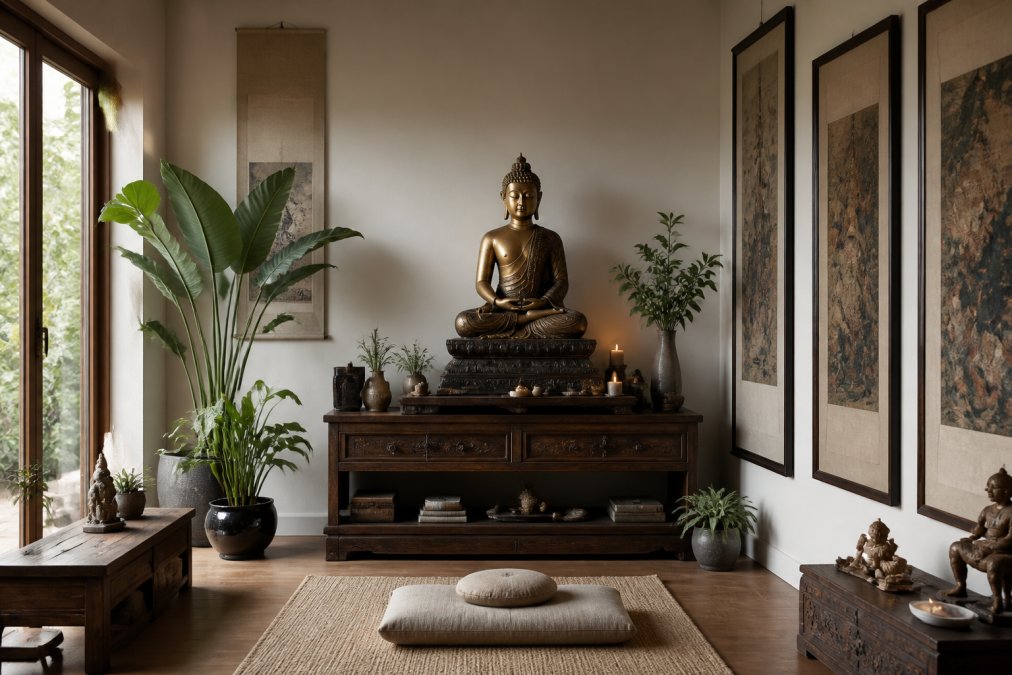
Finding where to buy high quality Asian art comes down to knowing what you're looking for and verifying authenticity before purchasing. Collectors who build meaningful, appreciating collections develop relationships with reputable dealers, understand authentication markers, and invest in pieces that resonate culturally and aesthetically. HD Asian Art specializes in carefully curated Buddhist and Hindu statues alongside exquisite Khmer and Southeast Asian sculptures, each piece selected for authenticity, craftsmanship, and cultural significance. Whether building a meditation space or establishing a serious collection, starting with verified sources and archival-quality pieces ensures your investment appreciates in both financial and spiritual value.
The Metropolitan Museum of Art's Japanese Prints authentication guide
American Alliance of Museums provenance standards
Smithsonian Institution's Asian Art collection resources
Frequently Asked Questions
How can I verify the authenticity of Asian art before buying, especially online?
Request detailed provenance documentation, certificates of authenticity, and the seller's sourcing history. Ask specific questions about the artist, region, period, and materials used. Reputable dealers provide gallery-grade authentication and are transparent about any restoration work. Cross-reference maker's marks, signatures, and stylistic elements with museum records or expert databases. Be cautious of vague origin stories or suspiciously low pricing. High-quality Asian art sellers welcome professional authentication requests and third-party expert verification.
What's the difference between giclee prints and original paintings when buying Asian art?
Original paintings and hand-signed works are unique pieces created directly by the artist, with higher investment potential and cultural authenticity. Giclee prints are high-quality reproductions using archival inks on fine art paper or canvas, offering affordability and museum-quality appearance without the premium price. Woodblock prints (ukiyo-e) can be original editions or modern reproductions. For serious collectors, original works hold greater value and provenance significance. For home decor and meditation spaces, gallery-grade giclee prints provide authentic aesthetic and archival longevity at accessible pricing.
Are specialized Asian art galleries really worth the higher price compared to general online marketplaces?
Specialized galleries invest in authentication, provenance research, and curation that general marketplaces often skip. They provide detailed cultural context, artistic style expertise, and reliable sourcing from Southeast Asian artisans and established artists. A premium price typically reflects verified authenticity, ethical sourcing, proper handling, and expert knowledge. Galleries offer recourse if pieces prove misrepresented, while mass-market sites offer limited protection. For significant purchases or sacred pieces intended for meditation spaces, specialized dealers provide confidence in quality and cultural integrity that mass-produced alternatives cannot match.
How should I care for and preserve high-quality Asian art once I bring it home?
Display pieces away from direct sunlight, extreme temperature fluctuations, and high humidity to prevent fading and material degradation. Use archival-quality framing materials if mounting prints or paintings. For sculptures and statues, dust gently with soft cloths and avoid harsh chemicals. Maintain stable indoor conditions between 65-75°F with 40-55% relative humidity. Store documentation and certificates in acid-free folders. Consider UV-protective glass for valuable pieces. For pieces intended for meditation spaces or altars, handle with respect and mindfulness. Consult conservation professionals before attempting any restoration work on antique or delicate pieces.
