


Kunstvoller Minimalismus in der asiatischen Skulptur: Ein vollständiger Leitfaden
Kunstvoller Minimalismus in der asiatischen Skulptur: Ein vollständiger Leitfaden
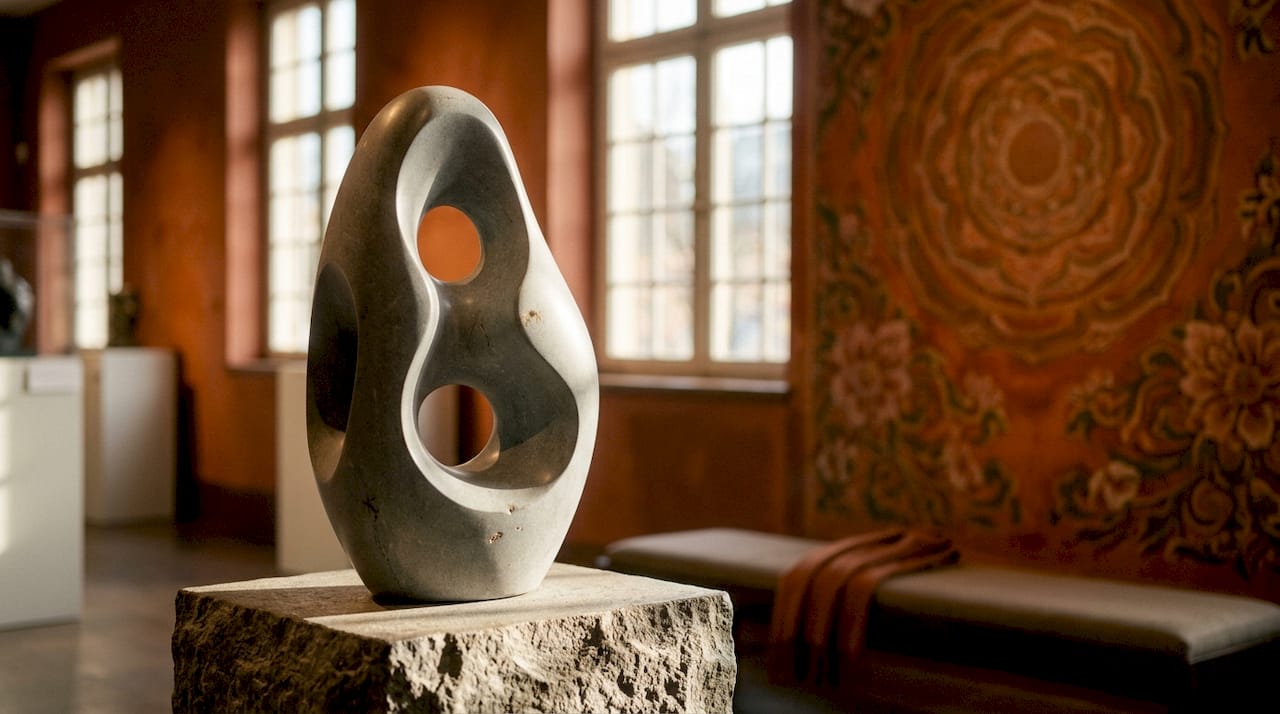
Kunstvoller Minimalismus in der asiatischen Skulptur ist definiert als die bewusste Verwendung zurückhaltender Formen, leerer Räume und natürlicher Materialien, um tiefe kulturelle Philosophien auszudrücken, anstatt nur die Dekoration zu reduzieren. Der in der Branche anerkannte Begriff für diese Praxis ist „asiatischer skulpturaler Minimalismus“, obwohl „kunstvoller Minimalismus“ seinen bewussten, meditativen Charakter gut widerspiegelt.
Diese Tradition basiert auf Konzepten wie Liubai (der chinesischen Kunst der Leere) und dem japanischen Prinzip von Ma (negativer Raum) und behandelt Abwesenheit als eine kreative Kraft, die der Präsenz gleichkommt. Künstler wie Lee Ufan und Um Tai-Jung haben asiatische minimalistische Skulpturen einem weltweiten Publikum zugänglich gemacht, und Galerien wie HDAsianArt bewahren und präsentieren diese Werke für ernsthafte Sammler.
Was ist kunstvoller Minimalismus in der asiatischen Skulptur?
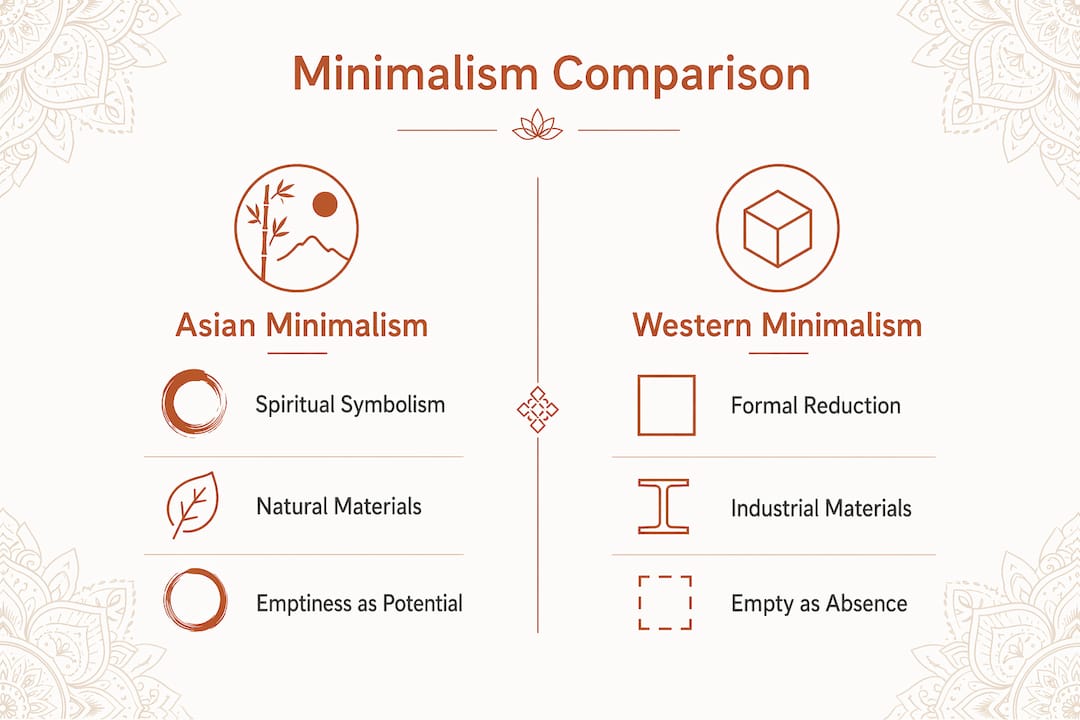
Kunstvoller Minimalismus in der asiatischen Skulptur ist die Praxis, möglichst wenige Elemente zu verwenden, um die größtmögliche Bedeutung zu schaffen. Während der westliche Minimalismus die Form reduziert, um formale Reinheit zu erreichen, reduziert der asiatische skulpturale Minimalismus die Form, um die philosophische Wahrheit zu offenbaren. Der Unterschied ist nicht visuell. Es ist Absicht.
Das Konzept von liubai steht im Mittelpunkt dieser Tradition. Liubai lässt sich grob mit „Weiß hinterlassen“ oder „Kunst der Leere“ übersetzen und behandelt den unbesetzten Raum eher als aktives Element denn als Hintergrund. Ein Bildhauer, der in dieser Tradition arbeitet, füllt keinen Raum. Der Bildhauer formt es.
Diese Philosophie steht in direkter Verbindung zum buddhistischen und taoistischen Denken, wo Leere eher Potenzial als Mangel signalisiert. Diese spirituelle Dimension unterscheidet den asiatischen skulpturalen Minimalismus grundlegend von seinem westlichen Gegenstück. Man kann das Werk nicht verstehen, ohne die Weltanschauung dahinter zu verstehen.
Was sind die Hauptmerkmale und ästhetischen Prinzipien der asiatischen minimalistischen Skulptur?
Die asiatische minimalistische Skulptur basiert auf einer Reihe ineinandergreifender Prinzipien, die gleichzeitig visuell, taktil und philosophisch sind. Jedes Prinzip verstärkt die anderen.
Ästhetische Grundprinzipien:
- Einfachheit der Form. Die Oberflächen sind aufgeräumt. Linien sind gewollt. Nichts erscheint zufällig.
- Negativer Raum (liubai/yohaku). Leere Bereiche tragen genauso viel Gewicht wie feste. Die Leere ist Teil der Komposition.
- Wabi-sabi. Dieses japanische Konzept akzeptiert Unvollkommenheit und Vergänglichkeit als Schönheit. Eine rissige Steinoberfläche oder eine unebene Bronzekante stellen keinen Mangel dar. Das ist der Punkt.
- Shibui. Dezente, ruhige Schönheit. Shibui-Werke widerstehen dem Drang, sofort zu beeindrucken. Sie belohnen anhaltende Aufmerksamkeit.
- Ma. Das japanische Konzept des Intervalls oder der Pause. In der Skulptur regelt Ma die Beziehung zwischen Objekten und dem sie umgebenden Raum.
Die Wahl des Materials verstärkt all diese Prinzipien. Stein, Bronze und Holz sind die vorherrschenden Materialien, da jedes natürliche Variation, Alter und Textur aufweist. Eine Granitoberfläche verwittert anders als Gießharz. Dieser Unterschied ist wichtig. Das Material erzählt einen Teil der Geschichte.
Auch in seiner Beziehung zur spirituellen Symbolik steht der asiatische skulpturale Minimalismus in scharfem Kontrast zum westlichen Minimalismus. Der westliche Minimalismus, wie er von Künstlern wie Donald Judd oder Carl Andre praktiziert wird, legt Wert auf Form und räumliche Logik. Asiatische Traditionen überlagern kulturelle und spirituelle Energie auf dieselben formalen Entscheidungen.
Profi-Tipp: Achten Sie bei der Beurteilung eines als asiatische minimalistische Skulptur bezeichneten Stücks auf organische Oberflächentexturen und Hinweise auf Handarbeit. Die fabrikmäßig perfekten geometrischen Oberflächen signalisieren westlichen Einfluss, nicht authentische asiatische minimalistische Tradition.
Wer sind die prominenten Künstler, die die asiatische minimalistische Skulptur prägen?
Zwei Figuren prägen die zeitgenössische Praxis des asiatischen skulpturalen Minimalismus mehr als alle anderen: Lee Ufan und Um Tai-Jung.
Lee Ufan gründete die Mono-ha-Bewegung in Japan in den 1960er und 1970er Jahren. Mono-ha, was übersetzt „Schule der Dinge“ bedeutet, lehnte westliche gegenständliche Kunst ab und legte Wert auf rohe Materialität und räumliche Beziehungen. Eine typische Mono-ha-Installation kombiniert einen unbearbeiteten Naturstein mit einer flachen Industriestahlplatte. Keines der Objekte wird verändert. Die Bedeutung ergibt sich aus ihrer Beziehung und aus der Position des Betrachters relativ zu beiden. Diese partizipative Qualität ist von zentraler Bedeutung für die Philosophie der Bewegung.
Um Tai-Jung arbeitet in einem anderen Register. Sein abstrakte, ausgehöhlte Metallarbeiten erscheinen in über 15 großen öffentlichen Sammlungen weltweit. Diese breite institutionelle Anerkennung spiegelt wider, wie ernst die globale Kunstwelt den asiatischen skulpturalen Minimalismus als eigenständige Kategorie nimmt. Ums Skulpturen nutzen die Abwesenheit innerhalb einer festen Form und schaffen Hohlräume, durch die sich das Auge bewegt, anstatt dort stehenzubleiben.
Lee Kuang-Yu erweitert diese Tradition durch das, was Kritiker als „Bildung der Leere“ bezeichnen. Sein ausgehöhlte Strukturen hinterfragen die Grenze zwischen Masse und Raum und streben nach einer Einheit zwischen dem Objekt, dem Betrachter und der natürlichen Welt. Seine Arbeit verdeutlicht, dass Abwesenheit innerhalb der Form eine bewusste künstlerische Strategie und keine technische Abkürzung ist.
| Künstler | Schlüsseltechnik | Kernphilosophie |
|---|---|---|
| Lee Ufan | Kombination von Rohstein mit Industriestahl | Materialität und räumliche Beziehung |
| Ähm Tai-Jung | Ausgehöhlte abstrakte Metallformen | Leere als aktives skulpturales Element |
| Lee Kuang-Yu | Leere Strukturformen | Einheit von Objekt, Betrachter und Natur |
Wie funktioniert das Konzept der Leere in der asiatischen minimalistischen Skulptur?
Leere im asiatischen skulpturalen Minimalismus ist keine Abwesenheit. Es ist ein generativer Raum, der den Betrachter dazu einlädt, das Werk zu vollenden.
„Anders als der westliche Minimalismus, der sich jeglicher Erzählung entledigt, nutzen asiatische Traditionen den leeren Raum, um Objekt, Betrachter und Ort auf meditative Weise zu verbinden. Die Leere ist nicht das, was übrig bleibt, wenn die Form entfernt wird. Sie ist es, was der Form Bedeutung verleiht.“
Diese Unterscheidung wirkt sich in den drei großen Traditionen unterschiedlich aus. China Qi-Kanäle fließen durch den leeren Raum und behandeln ihn als Medium, durch das sich Lebensenergie bewegt. Japan ruft kontemplative Stille hervor und nutzt die Leere, um die Aufmerksamkeit des Betrachters zu verlangsamen und seine Präsenz zu vertiefen. Korea legt Wert auf raffinierte Einfachheit und Wärme, wo leerer Raum eher Intimität als Distanz schafft.
Diese regionalen Unterschiede spielen eine Rolle, wenn man sich bestimmte Werke ansieht. Eine koreanische Steinskulptur und eine japanische Bronzeskulptur nutzen möglicherweise beide einen negativen Raum, aber die emotionale Ausrichtung ist unterschiedlich. Einer zieht dich leise nach innen. Das andere schafft eine Pause, die fast architektonisch wirkt.
Die Leere erstreckt sich über einzelne Skulpturen hinaus auch auf Architektur und Gartengestaltung. Der japanische Karesansui (trockener Steingarten) wendet die gleiche Logik auf Landschaftsebene an. Ein einzelner Stein aus geharktem Kies ist eine asiatische minimalistische Skulptur in Gartengröße. Das Prinzip ist identisch: Das leere Feld aktiviert das Objekt.
Was unterscheidet asiatische minimalistische Skulpturen vom westlichen Minimalismus?
Die oberflächlichen Ähnlichkeiten zwischen asiatischem und westlichem Minimalismus führen viele Sammler in die Irre. Beide Traditionen bevorzugen einfache Formen und begrenzte Verzierungen. Die zugrunde liegende Logik ist eine völlig andere.
Der westliche Minimalismus verfolgt die formale Reduktion um seiner selbst willen. Das Ziel besteht darin, alles zu entfernen, was strukturell nicht notwendig ist, bis nur noch die reine Form übrig bleibt. Die Bedeutung, sofern überhaupt vorhanden, ergibt sich aus der Reaktion des Betrachters auf Geometrie und Maßstab.
Der asiatische skulpturale Minimalismus verfolgt die Reduktion als Weg zu etwas. Dieses Etwas variiert je nach Tradition. Es könnte sich um spirituelle Harmonie, den Ausdruck von Vergänglichkeit oder die Aktivierung natürlicher Energie handeln. Die Reduzierung ist ein Mittel, kein Zweck.
Bei der Materialbearbeitung kommt dieser Unterschied am deutlichsten zum Vorschein. Authentische asiatische minimalistische Werke Zeigen Sie Wabi-Sabi und Shibui: organische Texturen, materielle Authentizität und sichtbare menschliche Spuren statt fabrikmäßig perfekter Oberflächen. Eine Bronze mit einer Patina, die Alter und Handhabung zeigt, hat in dieser Tradition eine größere Bedeutung als eine polierte geometrische Form.
Neulinge verwechseln den asiatischen Minimalismus oft mit dem bloßen Entfernen von Dekoration. Die eigentliche Praxis integriert natürliche Materialien mit einer bewussten Spannung zwischen Natur und menschlicher Schöpfung. Diese Spannung ist der Inhalt der Arbeit.
Profi-Tipp: Überprüfen Sie vor dem Kauf eines Stücks mit der Aufschrift „Asiatischer Minimalist“, ob die Oberfläche organische Variationen und Anzeichen einer manuellen Bearbeitung aufweist. Perfekt einheitliche Oberflächen lassen darauf schließen, dass das Werk eher der westlichen formalen Logik als der asiatischen philosophischen Tradition folgt.
Wie können Kunstliebhaber asiatische minimalistische Skulpturen schätzen und ausstellen?
Die Wertschätzung asiatischer minimalistischer Skulpturen erfordert eine Entschleunigung. Diese Werke kündigen sich nicht an. Sie belohnen anhaltende Aufmerksamkeit und informierten Kontext.
- Erforschen Sie zunächst die kulturelle Tradition. Ein kambodschanischer Steinbuddha und eine japanische abstrakte Bronzeskulptur gelten beide als asiatische minimalistische Skulpturen, haben jedoch unterschiedliche philosophische Rahmenbedingungen. Verständnis Buddhistische künstlerische Traditionen Bevor Sie ein Stück erwerben, vertieft sich Ihre Auseinandersetzung damit erheblich.
- Wählen Sie eine Platzierung, die den negativen Raum berücksichtigt. Asiatische minimalistische Skulpturen brauchen Raum zum Atmen. Das Platzieren eines Stücks in einem überfüllten Regal negiert die räumliche Logik, die der Künstler in das Werk eingebaut hat. Eine einzelne Skulptur auf einer ebenen Fläche mit offenem Raum um sie herum erfüllt die beabsichtigte Wirkung.
- Berücksichtigen Sie natürliches Licht. Stein- und Bronzeoberflächen verändern sich dramatisch mit der Lichtrichtung. Morgenlicht auf einer strukturierten Oberfläche bringt Details zum Vorschein, die durch die Deckenbeleuchtung völlig abgeflacht werden.
- Respektieren Sie den spirituellen Kontext. Viele asiatische minimalistische Skulpturen haben religiöse Bedeutung. Respektvolle Anzeigepraktiken sowohl kulturell als auch ästhetisch von Bedeutung. Wenn Sie beispielsweise eine Buddha-Figur auf Bodenhöhe platzieren, steht dies im Widerspruch zu der Verehrung, für die das Werk geschaffen wurde.
- Erwerben Sie vom Spezialisten. Authentische Stücke erfordern eine fachmännische Authentifizierung. Galerien, die jedes Werk individuell recherchieren, fotografieren und beschreiben, liefern die Herkunft und den Kontext, die Massenmarktquellen nicht bieten können.
Wichtige Erkenntnisse
Kunstvoller Minimalismus in der asiatischen Skulptur zeichnet sich durch die philosophische Nutzung von leerem Raum, natürlichen Materialien und zurückhaltender Form aus, um Werke zu schaffen, die Objekt, Betrachter und kulturelle Tradition in einer einzigen Begegnung verbinden.
| Punkt | Einzelheiten |
|---|---|
| Die Leere ist aktiv | Liubai und Ma betrachten den negativen Raum als kreative Kraft, nicht als Hintergrund. |
| Materialien tragen Bedeutung | Stein, Bronze und Holz werden aufgrund ihrer natürlichen Variation und symbolischen Bedeutung ausgewählt. |
| Asiatischer und westlicher Minimalismus unterscheiden sich grundlegend | Asiatische Traditionen reduzieren die Form auf spirituelle Bedeutung; Westliche Traditionen reduzieren sich auf formale Reinheit. |
| Wichtige Künstler bestimmen das Feld | Lee Ufan, Um Tai-Jung und Lee Kuang-Yu zeigen jeweils, wie Leere und Material partizipative Begegnungen schaffen. |
| Der Anzeigekontext ist wichtig | Authentische Wertschätzung erfordert Raum, Licht und kulturelles Verständnis rund um jedes Stück. |
Warum ich denke, dass die meisten Menschen die asiatische minimalistische Skulptur falsch interpretieren
Es wird immer wieder unterschätzt, wie viel Wissen diese Arbeiten voraussetzen. Eine ausgehöhlte Bronze von Um Tai-Jung sieht einfach aus. Das ist es nicht. Die Leere in dieser Form verweist auf jahrhundertealte philosophische Gedanken über Präsenz, Abwesenheit und die Beziehung zwischen menschlicher Schöpfung und natürlicher Ordnung. Wenn Sie ohne diesen Kontext daran vorbeigehen, verpassen Sie das gesamte Gespräch, das der Künstler mit Ihnen führt.
Was mir nach Jahren der Arbeit mit diesen Stücken am meisten auffällt, ist die Reaktion des Publikums, wenn der Kontext bereitgestellt wird. Sammler, die ein Werk zunächst als „ruhig“ oder „untertrieben“ beschreiben, verwenden eine völlig andere Sprache, sobald sie Liubai oder Wabi-Sabi verstanden haben. Das gleiche Objekt wird aufgeladen. Dieser Wandel vollzieht sich beim westlichen Minimalismus nicht in gleicher Weise, da der westliche Minimalismus nicht verlangt, einen philosophischen Rahmen mitzubringen. Asiatischer skulpturaler Minimalismus schon.
Auch die zeitgenössische Neuinterpretation dieser Tradition durch Künstler wie Lee Ufan verdient mehr Aufmerksamkeit, als sie normalerweise erhält. Die Mono-ha-Bewegung war keine Wiederbelebung der antiken Ästhetik. Es war eine rigorose philosophische Auseinandersetzung über Materialität und Wahrnehmung, die im Dialog mit westlicher Konzeptkunst geführt wurde. Dieser Streit dauert noch an. Die Werke, die heute von Künstlern dieser Tradition geschaffen werden, sind keine Dekorationsgegenstände. Es sind Positionen in einem langen Gespräch.
Meine ehrliche Empfehlung: Verbringen Sie Zeit mit einem Stück, bevor Sie mehrere erwerben. Asiatische minimalistische Skulpturen sind keine Kategorie, die man umfassend und schnell sammeln kann. Es ist Tradition, langsam einzusteigen.
— James, HDAsianArt.com
Authentische asiatische minimalistische Skulpturen bei HDAsianArt
HDAsianArt bietet eine kuratierte Auswahl antiker und traditioneller asiatischer Skulpturen, die die Prinzipien des asiatischen skulpturalen Minimalismus verkörpern, von javanischen Bronze-Bodhisattvas bis hin zu Khmer-Holzbuddhas.
Jedes Stück in der HDAsianArt-Sammlung wird individuell von Spezialisten mit fundierten Kenntnissen der buddhistischen und hinduistischen Kunsttraditionen recherchiert, fotografiert und beschrieben. Die Javanischer Avalokiteshvara Bodhisattva veranschaulicht die zurückhaltende Form und spirituelle Tiefe, die authentische asiatische minimalistische Skulpturen ausmachen. Für Sammler, die ein größeres Statement-Stück suchen, ist das Erleuchtungsbuddha aus Khmer-Holz zeigt, wie natürliche Materialien und vereinfachte Formen meditative Präsenz im großen Maßstab schaffen. Weltweiter versicherter DHL-Versand und fachkundige Herkunftsdokumentation sind in der gesamten Sammlung Standard.
FAQ
Was ist kunstvoller Minimalismus in der asiatischen Skulptur?
Kunstvoller Minimalismus in der asiatischen Skulptur ist die Verwendung zurückhaltender Formen, natürlicher Materialien und absichtlicher Leerräume, um philosophische und spirituelle Bedeutungen auszudrücken. Er unterscheidet sich vom westlichen Minimalismus dadurch, dass er Reduktion als einen Weg zu kultureller und meditativer Tiefe und nicht nur als formale Reinheit betrachtet.
Was bedeutet Liubai in der asiatischen Kunst?
Liubai ist das chinesische Konzept des „Leaving White“ oder der Kunst der Leere, bei der unbesetzter Raum als aktives kreatives Element behandelt wird. In der Skulptur bedeutet Liubai, dass die Leere um und in einer Form ebenso viel Bedeutung hat wie das feste Material selbst.
Wie erscheint Wabi-Sabi in der asiatischen minimalistischen Skulptur?
Wabi-Sabi erscheint als organische Oberflächenstruktur, sichtbare Alterung und absichtliche Unvollkommenheit in Materialien wie Stein und Bronze. Authentische asiatische minimalistische Werke bevorzugen diese Qualitäten gegenüber fabrikmäßig perfekten Oberflächen, die eher westlichen formalen Einfluss als traditionelle asiatische ästhetische Werte signalisieren.
Wer sind die bekanntesten asiatischen minimalistischen Bildhauer?
Lee Ufan, Um Tai-Jung und Lee Kuang-Yu sind die bekanntesten Figuren des zeitgenössischen asiatischen skulpturalen Minimalismus. Um Tai-Jungs Werke erscheinen in über 15 großen öffentlichen Sammlungen, und Lee Ufans Mono-ha-Bewegung bleibt weltweit ein entscheidender Bezugspunkt für dieses Fachgebiet.
Wie unterscheidet sich die asiatische minimalistische Skulptur vom westlichen Minimalismus?
Asiatische minimalistische Skulpturen nutzen Reduktion, um spirituelle Harmonie, Vergänglichkeit und natürliche Energie auszudrücken. Der westliche Minimalismus nutzt die Reduktion, um formale Reinheit zu erreichen. Die Materialien, die Oberflächenbehandlung und die philosophische Absicht unterscheiden sich grundlegend, auch wenn das visuelle Ergebnis ähnlich erscheint.
Empfohlen
- In asiatischen Skulpturen verwendete Steinarten: Ein Leitfaden für Sammler – HD Asian Art
- Warum asiatische Skulptur Ihrem Raum spirituelle Energie verleiht – HD Asian Art
- Leitfaden zur Integration von asiatischen Skulpturen in den Garten im Freien – HD Asian Art
- Theravada-buddhistische Skulptur für Kunstwissenschaftler erklärt – HD Asian Art
